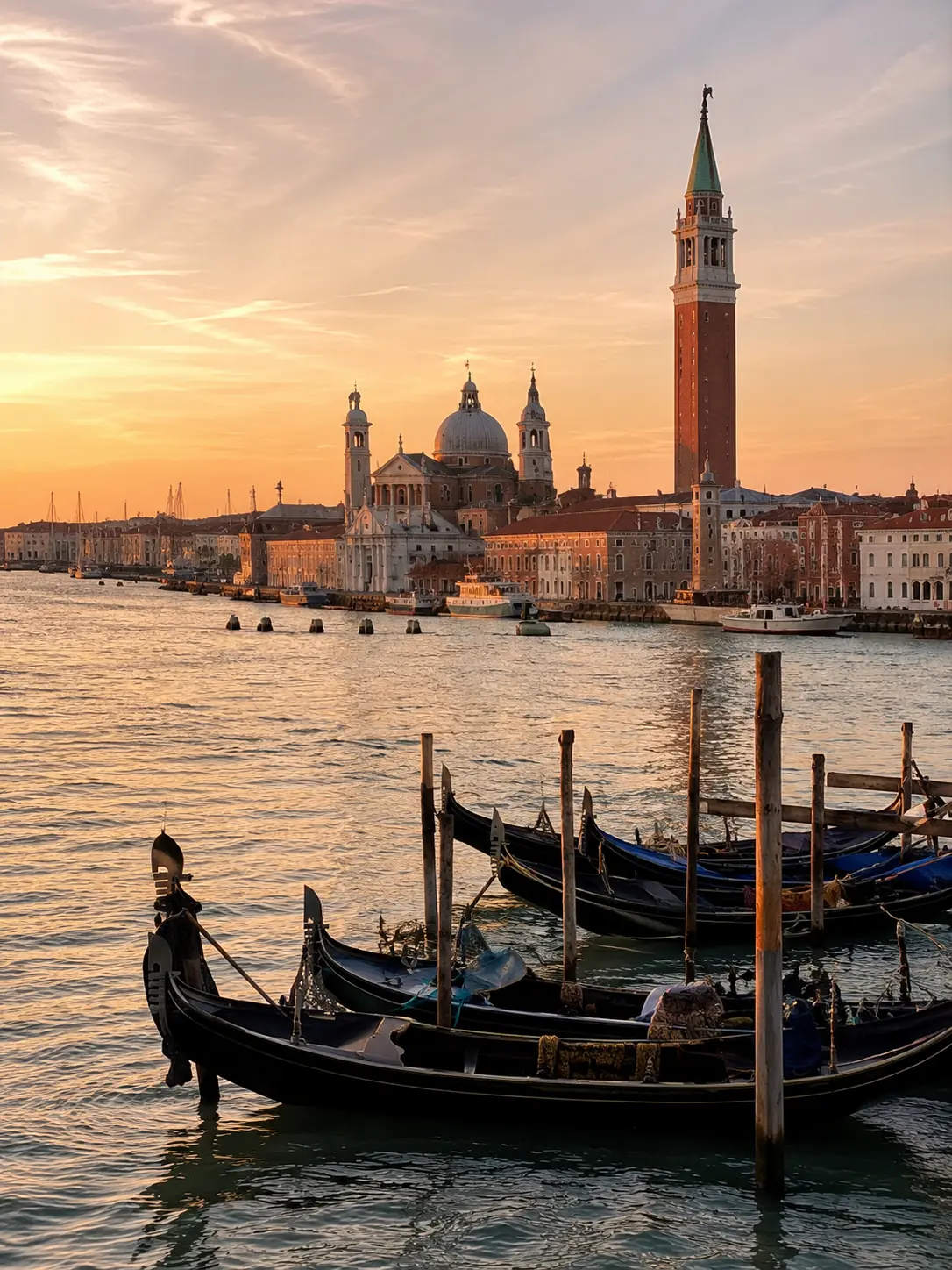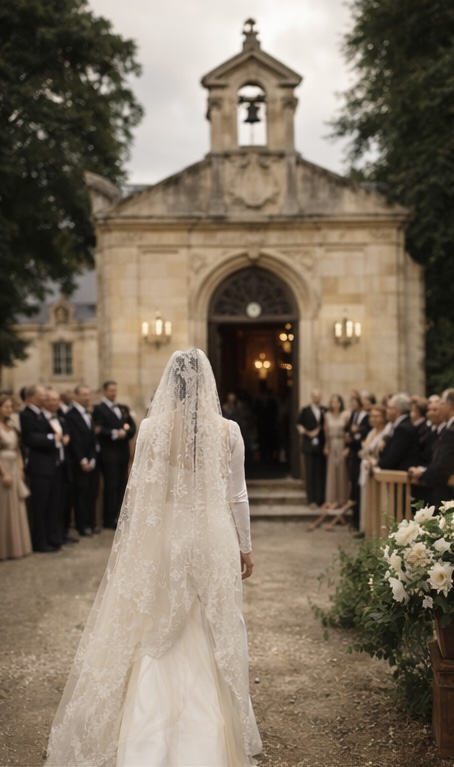
From private Italian villas and Mediterranean islands to storied European houses, the places defining the most beautiful weddings now have something in common: they offer more than a magnificent backdrop. They give a celebration a world of its own.
There is a moment, somewhere between becoming engaged and beginning to imagine everything that follows, when one question suddenly matters more than almost any other.
Where?
Where will everyone arrive?
Where will you stand when you say the words that change everything?
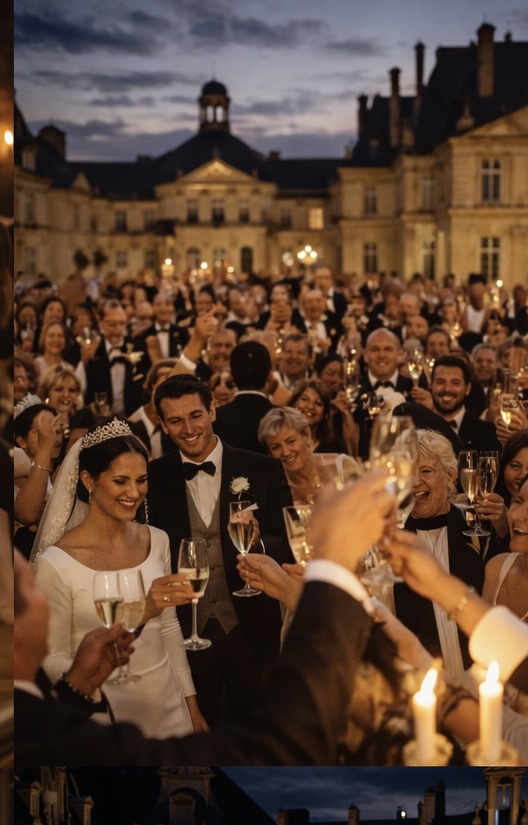
Where will dinner stretch into candlelight, someone make the speech nobody quite expected, and the people you love most find themselves dancing long after midnight?
Choosing where to marry sounds like a practical decision.
It is anything but.
Because you are not simply choosing a wedding venue. You are choosing a landscape that will become part of your family’s history.
Years later, you may forget precisely which flowers were placed beside which plate. But you will remember the drive through the gates. The mountains beyond the terrace. The smell of the garden after rain. The bells from the village. The particular colour of the sea that afternoon.
You are choosing the place that will forever belong to your story.
And increasingly, this is what distinguishes the world’s most stylish weddings.
Not extravagance for its own sake.
Not a venue selected because everybody already knows its name.
But a profound sense of place.
The New Luxury Is Somewhere That Feels Like You
For years, destination weddings seemed to follow a familiar formula.
A spectacular property. Abundant flowers. A dramatic tablescape. A succession of increasingly elaborate events.
All beautiful.
And yet something is changing.
The most compelling celebrations now feel less like productions and more like worlds temporarily brought to life.
A wedding in Tuscany feels unmistakably Tuscan. A celebration in Vienna embraces ceremony and architecture. Mallorca smells of citrus and rosemary. An English house is allowed its slightly eccentric rooms, old portraits and unpredictable weather.
Instead of imposing an aesthetic upon a place, the most interesting couples and planners are asking:
What is already here?
And then making it extraordinary.
Perhaps that is why certain aristocratic and royal weddings remain so fascinating. Beyond the dresses and tiaras, they remind us of the emotional power of place, ritual and provenance.
When Prince Philippos of Greece and Nina Flohr celebrated their religious wedding at the Metropolitan Cathedral of Athens in 2021, they chose a building already intertwined with the groom’s family history: his parents, King Constantine II and Queen Anne-Marie, had married there in 1964. Nina wore Chanel and an antique family tiara.
The beauty was not simply in how everything looked.
It was in belonging.
That is almost impossible to manufacture.
And it offers perhaps the first rule for choosing an extraordinary wedding destination:
History is more powerful than decoration.
Italy: The Enduring Romance
There is a reason couples continue to return to Italy.
Actually, there are hundreds.
The light. The architecture. The ritual of aperitivo. The gardens. The extraordinary ability Italians possess to make elegance and pleasure appear to be the same thing.
But Italy’s greatest wedding luxury may be its variety.
There is Lake Como for cinematic grandeur.
Tuscany for the fantasy of the world’s most beautiful house party.
Rome for history and magnificence.
Puglia for something earthier and more elemental.
Sicily for couples who want beauty with a slightly wild edge.
And scattered between them are villas, palazzi, monasteries and private estates that make one wonder why anyone would ever build a conventional wedding venue.
Lady Kitty Spencer and Michael Lewis chose Villa Aldobrandini in Frascati, outside Rome, for their 2021 wedding—a Renaissance villa overlooking the city. The celebrations extended over several days, with Spencer wearing a series of bespoke Dolce & Gabbana creations.
It was unapologetically grand.
But the detail worth remembering isn’t simply the scale.
It is the marriage between person and place: an English aristocratic sensibility transported into an intensely Italian setting.
That tension can create magic.
The lesson is not to recreate someone else’s Italian wedding.
It is to find your Italy.
Lake Como: When the Landscape Is the Decoration
Lake Como requires confidence.
Not because it needs more.
Because it needs less.
When mountains descend into deep blue water and extraordinary villas rise from gardens along the shoreline, adding too much can diminish rather than enhance the setting.
This is where restraint becomes luxurious.
Imagine guests arriving by boat.
A ceremony facing the water.
Cocktails beneath trees rather than an elaborate constructed bar.
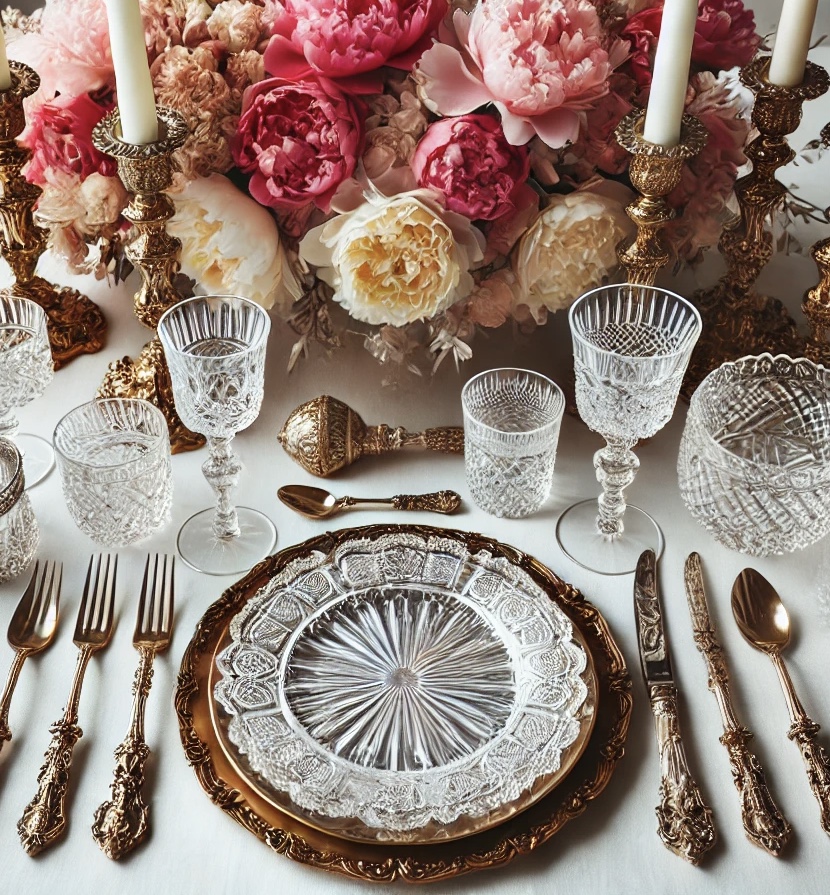
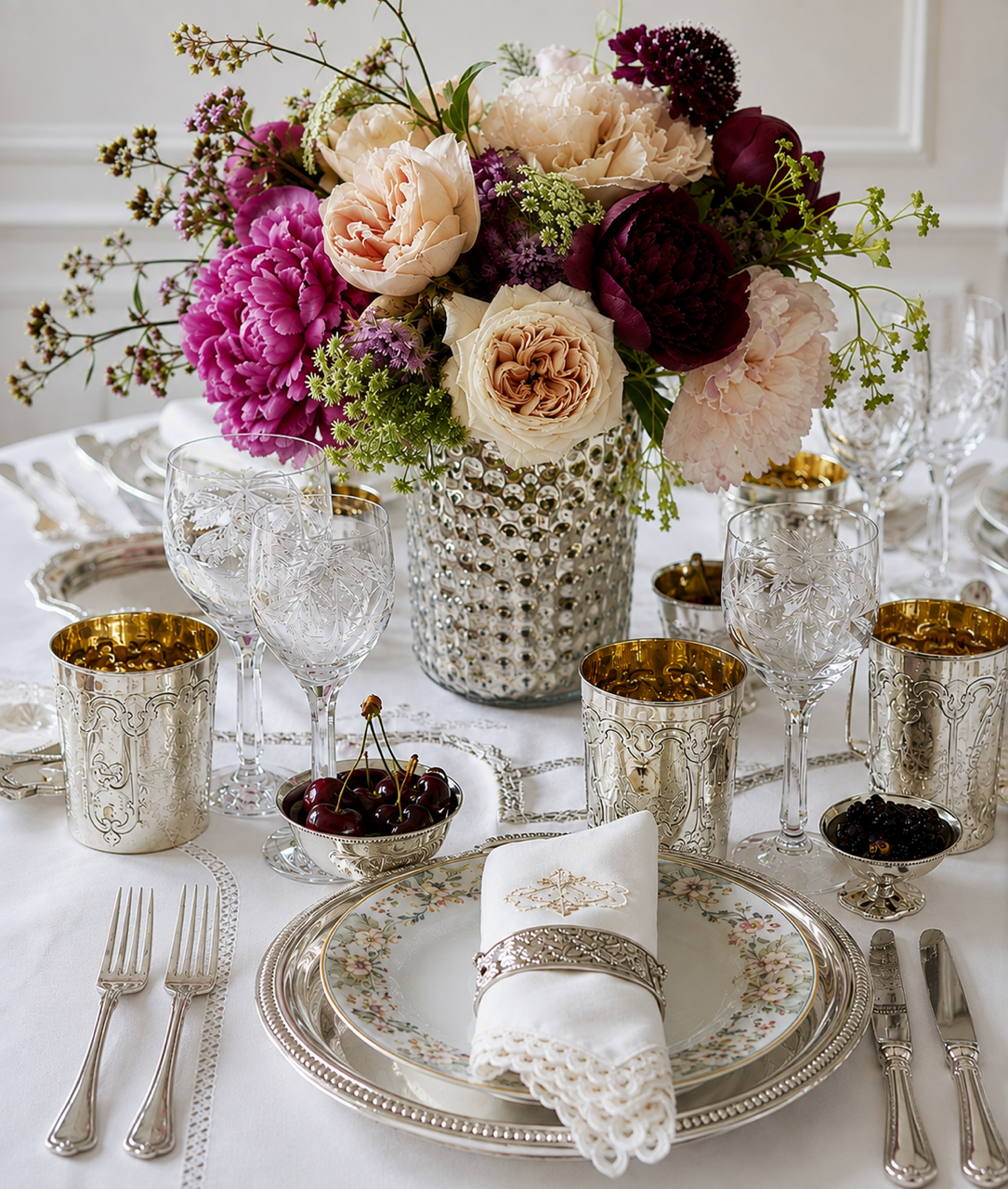
Long tables dressed with exquisite linen, crystal, silver and flowers that look as though they might have been cut from the garden an hour earlier.
Then candlelight.
The point is not minimalism.
It is knowing when the place has already done the decorating for you.
For couples considering a destination, this offers another useful question:
What can we remove?
If a venue becomes more beautiful as the wedding becomes simpler, you may have found somewhere very special.
Tuscany: The Three-Day House Party
The destination wedding is quietly becoming something else.
Not a wedding day.
A wedding world.
Nowhere lends itself to this better than Tuscany.
Imagine arriving on Thursday or Friday and watching the usual boundaries between families and friendship groups gradually disappear.
A welcome dinner beneath the trees.
Swimming the following morning.
Lunch that lasts longer than scheduled.
The wedding.
Then, perhaps most deliciously of all, everyone returning slightly later than intended the following day for pasta, cold wine and stories about the night before.
This is the transformative possibility of a destination wedding.
You haven’t simply gathered people for a ceremony.
You have given them time together.
For planners, this changes the creative brief completely.
The question is no longer, How do we design one spectacular evening?
It becomes:
How should this weekend feel from the moment the first guest arrives until the last one leaves?
That is a much more interesting proposition.
Vienna: The Return of Ceremony
There is also something rather wonderful happening at the opposite end of the spectrum.
After years of weddings becoming progressively more informal, ceremony itself is beginning to feel seductive again.
Vienna understands ceremony.
When Princess Maria-Anunciata of Liechtenstein married Emanuele Musini there in 2021, the religious ceremony took place in the Baroque Schottenkirche. She wore Valentino and the Habsburg Fringe Tiara.
There is nothing apologetically casual about any of this.
And perhaps that is precisely the point.
Black tie.
Silver.
Crystal.
Candlelight.
Beautifully dressed rooms.
Music that deserves to be listened to.
The delicious anticipation created when an invitation asks something of its guests.
Formality, when handled with warmth, does not make a wedding less personal.
Sometimes it makes the occasion feel more significant.
The secret is understanding the distinction between ceremony and stiffness.
One creates magic.
The other creates anxiety.
The finest planners know exactly where that line lies.
The English Country House: Perfection Is Overrated
Then there is England.
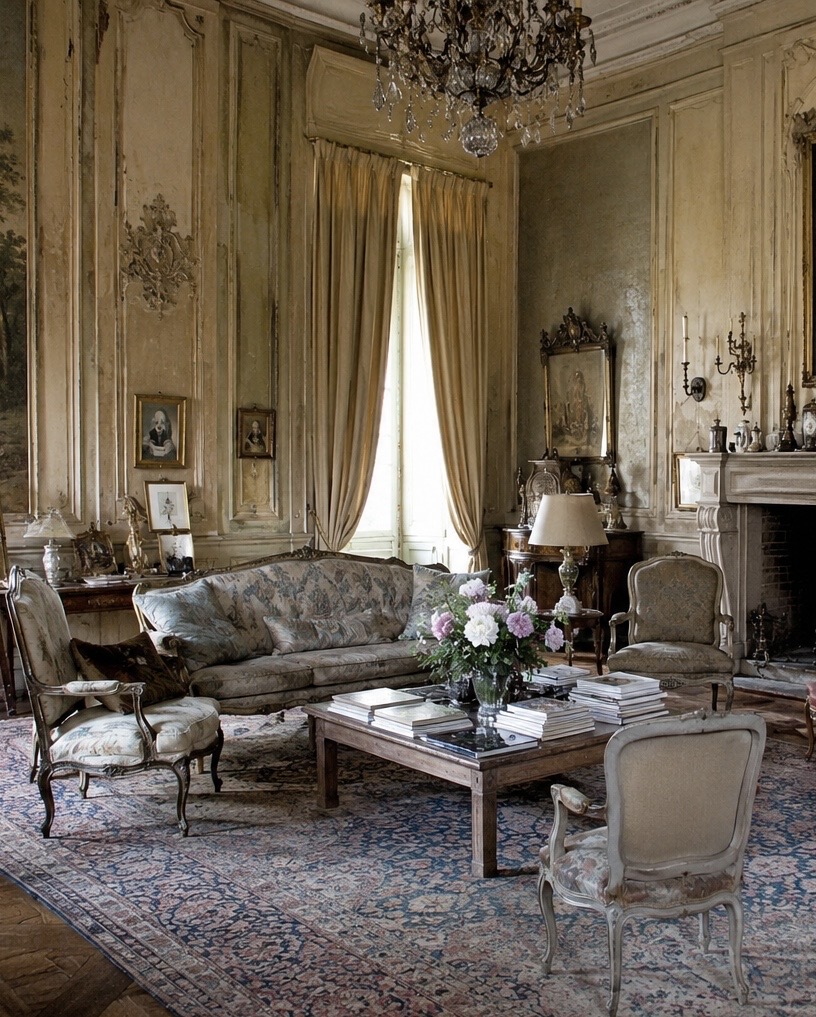
A house at the end of a long drive.