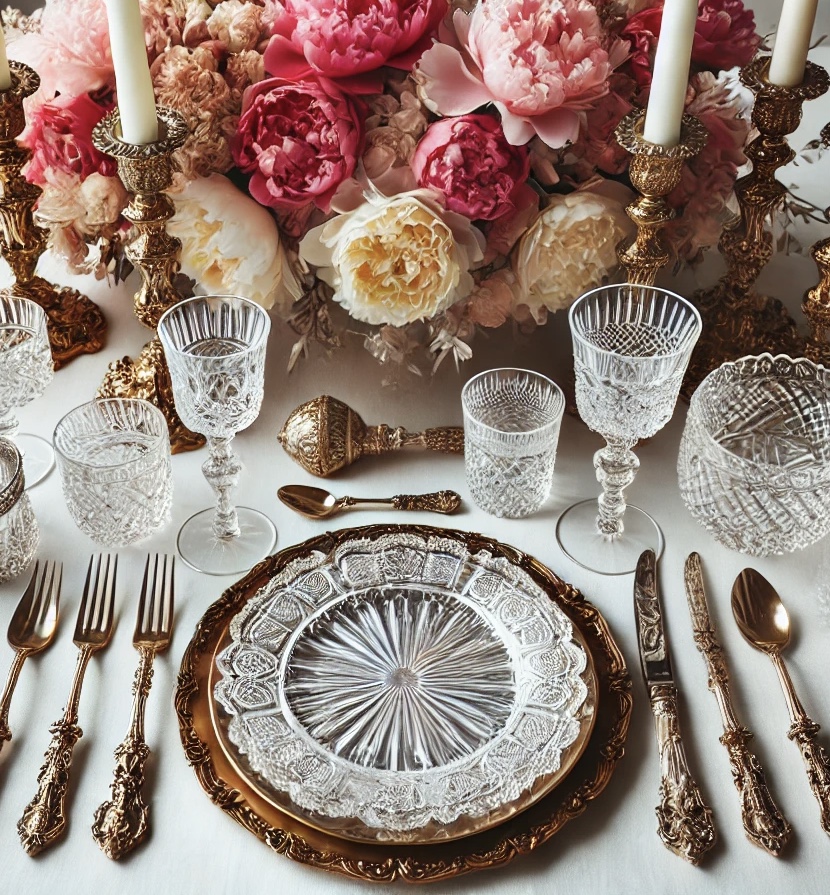
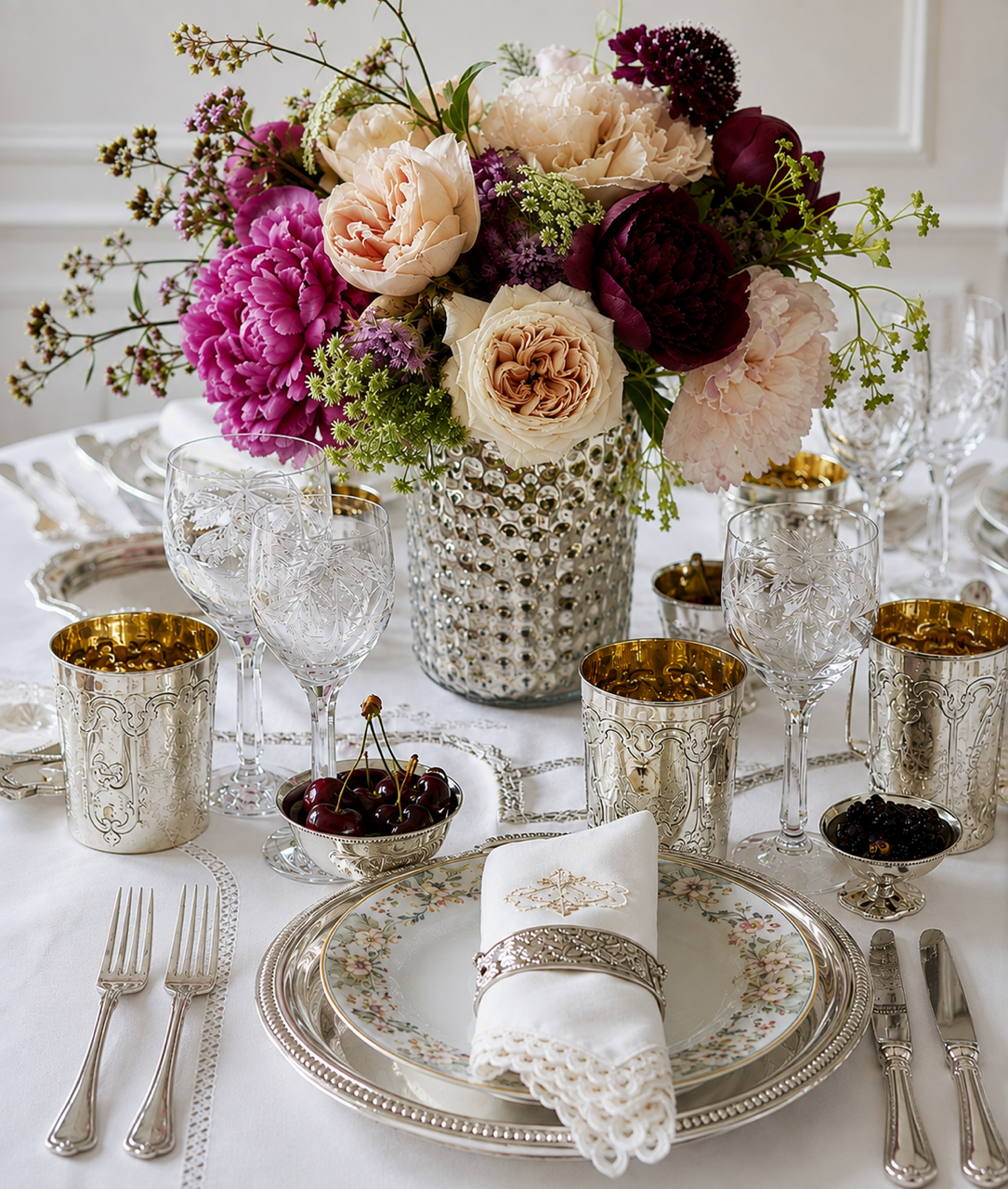
Silver that catches the candlelight. Crystal with the clarity of ice. A table composed with precision, then interrupted by something entirely unexpected. In the most memorable rooms, entertaining is less about perfection than the pleasure of surprise.
There is a particular kind of table that makes one want to linger.
It is not necessarily the grandest, nor the most formally arranged. Rather, it possesses that elusive quality that separates a beautiful setting from a memorable one: personality. A magnificent piece of silver appears where one might expect porcelain. Crystal glints beside linen softened by years of use. A sculptural object sits among flowers and fruit, provoking curiosity before the first glass has been poured.
The best tables have always understood this tension between ceremony and spontaneity.
They begin with exceptional things.
For centuries, silver and crystal have belonged to the language of entertaining. Their beauty is partly material—the cool luminosity of silver, the extraordinary way cut crystal captures and fractures light—but their appeal runs deeper. These are objects designed to participate in life. They are lifted, passed, filled, emptied and returned to the table. Over time, they acquire the subtle traces of dinners, celebrations and generations.
At Blue Ribbons & Lace, we are particularly drawn to pieces that refuse to remain merely decorative. Objects of extraordinary craftsmanship become infinitely more interesting when they are placed into service.
A silver vessel might hold champagne one evening and an extravagant arrangement of garden roses the next. A crystal coupe can contain something delicious, certainly, but equally a handful of cherries or a single floating bloom. A small silver object discovered at one end of the table may reveal itself to be useful, whimsical—or simply there for the pleasure of its beauty.
It is this spirit that makes the work of Jarosinski & Vaugoin, the historic Viennese silversmith, so compelling.
Founded in Vienna in 1847, the house belongs to a European tradition in which the objects of the table were conceived with the same seriousness as architecture, interiors and dress. Silver was never simply an embellishment. It shaped the rituals of hospitality.
And yet what feels especially relevant today is how surprisingly modern these pieces can become when removed from the constraints of formality.
A beautifully made silver object does not demand a palace, nor a perfectly symmetrical table. Place it beside hand-blown crystal, loosely folded linen and flowers gathered almost casually, and its character changes. The precious becomes personal.
That juxtaposition is perhaps the secret.
A Table Should Have a Point of View
There was a time when setting a table meant following a sequence of established rules. Today, the most sophisticated hosts tend to know those rules—and then quietly disregard a few of them.
Fine crystal need not all belong to the same service. Silver can sit happily beside contemporary ceramics. An heirloom may share the table with something found in a market in Venice, Paris or Vienna. Flowers need not occupy the centre. Fruit, shells, ribbons, miniature sculptures, objets trouvés and curious pieces of silver can create a landscape far more intriguing than a conventional centrepiece.
The result should feel collected rather than assembled.
This is where exceptional craftsmanship becomes particularly important. When fewer objects are used, each one carries greater presence. The weight of a silver serving piece in the hand, the delicacy of an engraved detail, the thin rim of a crystal glass—these small sensations establish an atmosphere before dinner has properly begun.
Luxury reveals itself quietly.
Not through abundance, but through discernment.
The Element of Surprise
Every memorable table needs something that does not quite belong.
Or, at least, something that appears not to.
Perhaps it is a magnificent silver piece used for an entirely unintended purpose. Tiny flowers arranged inside antique crystal glasses. A sculptural salt cellar placed beside an almost austere plate. A collection of silver animals wandering between the candlesticks. Dessert arriving not on conventional plates but in an assortment of exquisite vessels.
These gestures introduce wit.
And wit is too often missing from beautiful tables.
There is great pleasure in creating a setting that guests discover gradually. The first impression may be one of elegance, but then the eye begins to travel. A curious detail appears beside a glass. Something catches the candlelight. An object invites a question.
What is this?
Suddenly, the table itself has started a conversation.
Objects with history are particularly good at doing this. Their purpose is sometimes mysterious; their craftsmanship invites inspection. Antique and archival forms remind us that entertaining once involved an extraordinary vocabulary of specialised objects—many charmingly specific, some wonderfully eccentric.
Bringing them back to the table does not require resurrecting the etiquette that originally accompanied them.
Quite the opposite.
Use them freely.
Silver After Dark
And then there is candlelight.
Few materials respond to it as beautifully as silver and crystal.
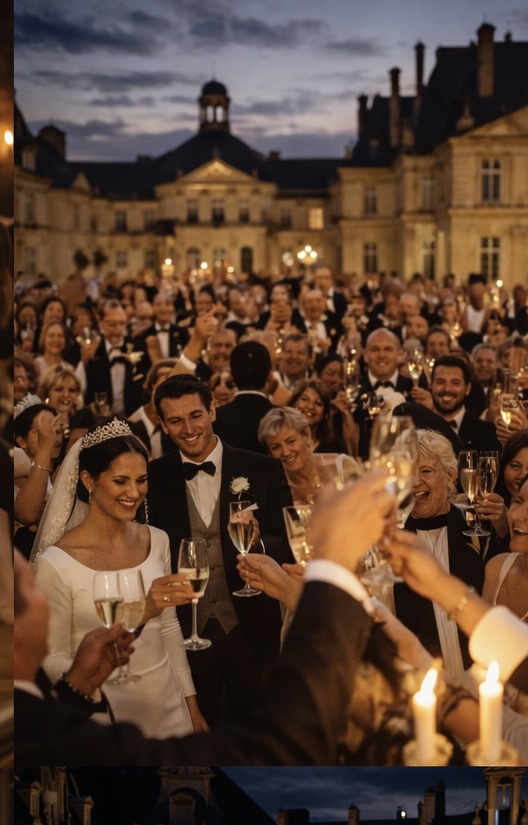
As daylight disappears, polished silver begins reflecting the room around it: flames, flowers, faces, the movement of hands reaching across the table. Crystal turns points of light into fragments. Shadows deepen. What appeared refined in the afternoon becomes almost theatrical after dark.
This is when the table feels most alive.
Candles should be plentiful, but the atmosphere need not be solemn. Allow wax to burn lower. Let glasses accumulate. Leave the flowers slightly unruly. Resist the instinct to remove every trace of the evening as it unfolds.
A table becomes more beautiful when it has been inhabited.
The final composition—the one seen sometime after midnight—may be the loveliest of all.
Things Worth Keeping
Perhaps this is why we remain fascinated by the objects surrounding hospitality.
The finest pieces transcend the occasion for which they were originally acquired. A silver bowl bought for a wedding appears decades later at Christmas. Crystal chosen for a first home is eventually poured for children and grandchildren. An eccentric object discovered while travelling becomes inseparable from the stories told around it.
They become part of the household mythology.
This is the enduring appeal of houses such as Jarosinski & Vaugoin. In a world increasingly populated by things designed to be replaced, there is something deeply luxurious about an object made with the expectation that it will remain.
Not preserved behind glass.
Used.
Polished. Filled. Passed around the table. Occasionally used incorrectly. Admired often.
Because the most beautiful objects should not make entertaining feel more formal.
They should make it more pleasurable.
And perhaps the most elegant table of all is one where extraordinary craftsmanship, magnificent crystal and gleaming silver are accompanied by something less tangible: generosity, curiosity, humour—and just enough of the unexpected.
About Jarosinski & Vaugoin
Founded in Vienna in 1847, Jarosinski & Vaugoin is one of Austria’s historic silversmiths, preserving a remarkable tradition of Viennese silver craftsmanship. From elegant tableware and serving pieces to distinctive objets, the house creates pieces intended not simply to be admired, but to be used, collected and passed from one generation to the next.
For The Blue Édit, Jarosinski & Vaugoin represents precisely what we seek to celebrate: exceptional craftsmanship, enduring beauty and objects that bring a sense of occasion—and sometimes a little surprise—to the rituals of everyday life.