The fires are lit, the bedrooms are waiting, and one by one, the people we have been preparing for begin to arrive.
There is a point, sometime in the week before Christmas, when the house stops waiting.
A car turns into the drive after dark.
Headlights move briefly across the bare trees and disappear beneath the windows. Someone calls from the hall that they are here. The front door opens and suddenly there are voices, cold hands, coats, bags and parcels everywhere.
The first guests have arrived.
Within minutes, the quiet house of the previous weeks has changed completely.
A suitcase is halfway up the stairs. Boots have been abandoned beside the door. Someone is standing too close to the fire trying to warm themselves. A bottle is being opened in the kitchen.
And Christmas, which until then had existed mostly in lists and preparations, begins to feel real.
The First Arrivals
People rarely arrive at the same time.
That is part of the rhythm of the week.
Someone comes on the 20th.
Another on the 21st.
There are messages from the road, delayed trains, changed plans and repeated questions about what time everyone is expected.
With every arrival, the house becomes a little louder.
Bedrooms that had been carefully prepared acquire the unmistakable signs of occupation: a coat over a chair, books beside the bed, jewellery on a dressing table, half-open suitcases that will remain half-open for the entire stay.
Downstairs, the hall fills with shoes.
The kitchen table becomes the place where everyone eventually finds one another.
Those who arrived yesterday sit with those who arrived an hour ago. Coffee is made regardless of the time. Someone cuts bread. Someone else wants to know where the matches have gone.
The fires seem never to go out.
Bringing in the Tree
We wait until the house begins to fill before bringing in the Christmas tree.
It feels wrong to decorate it alone.
The tree arrives cold from outside, shedding needles through the hall and requiring considerably more discussion than something with no possibility of expressing an opinion should.
It is too tall.
Then someone insists it is not.
The top is trimmed.
The tree is turned.
Turned again.
A piece of furniture has to be moved.
Eventually everyone agrees that it is straight enough.
Boxes of decorations are brought down and opened on the floor.
There are ornaments that have survived decades and others whose origins nobody remembers. Delicate glass decorations are unwrapped from tissue paper. Ribbons emerge hopelessly tangled. A few things are broken.
Nothing matches particularly well.
That is what makes it ours.
Children begin at the bottom of the tree and adults quietly redistribute some of their enthusiasm later.
Someone puts on music.
Someone disappears and returns with drinks.
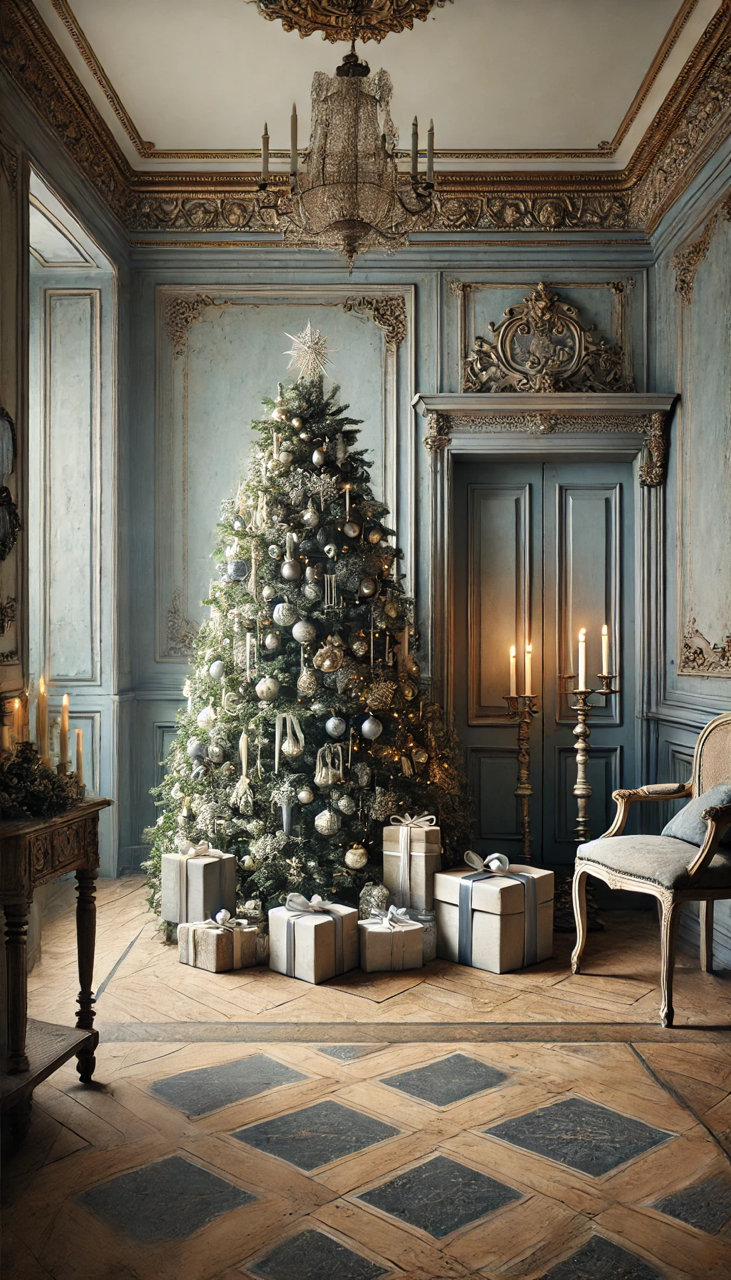
By the time the lights are switched on, the windows have become black mirrors and the room is reflected back at us: the tree, the lamps, the fire, everyone standing around looking at what we have made.
It is one of the first evenings when nobody wants to go anywhere.
Mornings Become Longer
The mornings of Christmas week have a different pace.
At first, one person comes downstairs.
Then another.
Coffee is made several times because nobody appears at once.
There is bread and butter, bowls of jam, perhaps yesterday’s cake beneath a glass dome. Someone reads the newspaper. Someone else is still in a dressing gown long after it would normally be acceptable.
The fire is relit.
Plans for the day are discussed without much urgency.
This is one of the pleasures of having everyone under the same roof: breakfast ceases to be a meal with a beginning and an end.
It becomes a place.
People come and go.
A child sits down for ten minutes and disappears again.
Someone pours another cup of coffee.
A chair is pulled closer to the fire.
Outside, the countryside is pale and still.
There will be things to do later.
For another half-hour, nobody moves.
The Afternoon Walk
Eventually, everyone needs air.
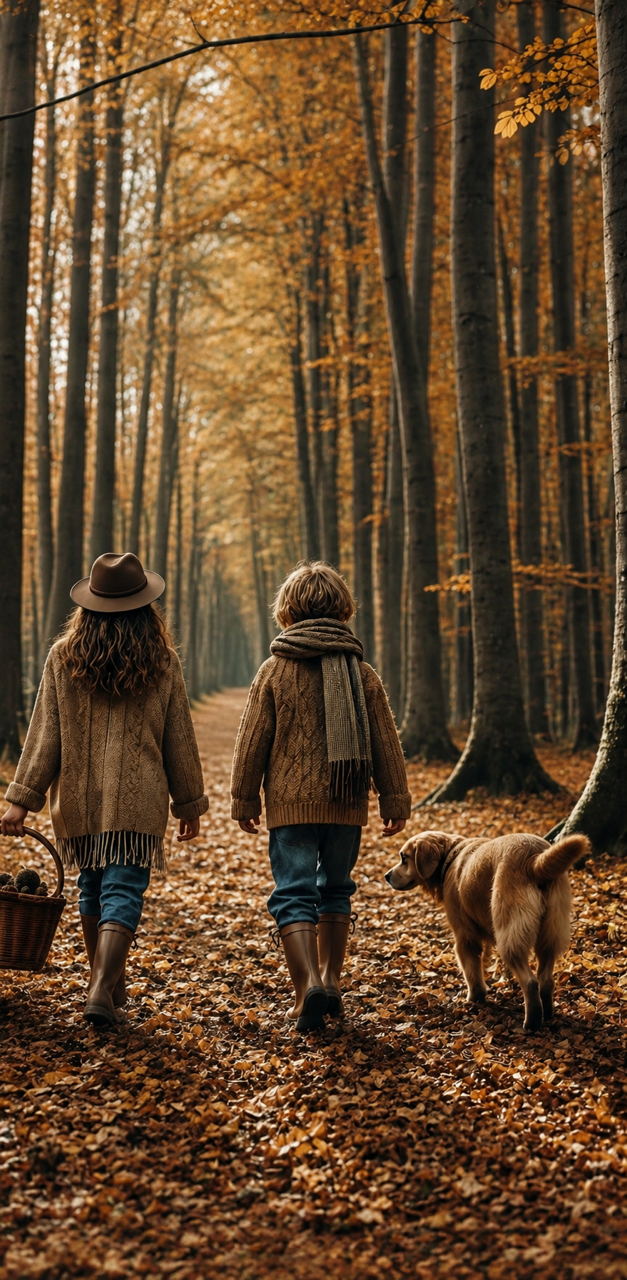
Scarves are found. Boots are pulled on. Dogs become almost unmanageable with excitement at the possibility that something might finally happen.
We set off along the lanes and into the woods.
December has stripped the countryside back to its bones.
The trees are bare. Fields stretch further without their summer boundaries. The earth is dark and damp beneath our boots, and the low winter sun, when it appears, catches everything sideways.
Conversations separate and reform as we walk.
Two people go ahead.
Someone stays behind with the children.
There are pauses at gates, arguments about which path to take and repeated assurances that it is not much farther.
Nobody quite believes them.
By the time we turn towards home, the light is already beginning to fall.
From a distance, the house looks different now.
There is smoke from the chimney.
Lamps glow behind the windows.
The tree can just be seen through the sitting-room glass.
Perhaps one of the deepest pleasures of a country house in winter is leaving it in the cold and seeing it waiting for you when you return.
Coming Back to the Fire
The front door opens onto warmth.
Coats are hung wherever there is room. Damp scarves are left near radiators. Boots collect in increasingly untidy rows.
Everyone gravitates towards the kitchen or the fire.
There might be slices of cake, toasted bread with butter, coffee for some and something stronger for others.
Nothing needs presenting beautifully.
It simply needs to be there.
These are not the meals we will remember in detail.
They are the things eaten standing at the kitchen table while someone tells a story; the plate passed around beside the fire; the last slice quietly divided because more people wanted it than anyone anticipated.
Christmas week develops its own appetite.
Behind Closed Doors
As Christmas Eve approaches, certain doors begin to close.
Wrapping paper appears upstairs.
Scissors disappear.
Ribbon travels mysteriously from one room to another.
Someone asks everyone not to come into the study for ten minutes and remains there for an hour.
Presents accumulate in wardrobes and beneath beds.
There is always one parcel that has not arrived.
Another gift is hidden so successfully that its hiding place becomes a genuine mystery.
Children become increasingly alert to unexplained adult movements.
The house develops secrets.
Late at night, when everyone else has gone upstairs, somebody inevitably returns to the sitting room with paper, ribbon and a pile of presents still to wrap.
The fire is low.
The tree lights are left on.
There is something rather lovely about wrapping presents in a sleeping house.
Evenings at Home
By this point in December, darkness comes so early that the evenings seem to begin in the afternoon.
We light candles before five.
The curtains are drawn.
The fires are built higher.
There may have been plans to go out, but they become increasingly easy to abandon.
Instead, everyone gathers.
A simple supper is eaten around the kitchen table. Cards appear afterwards. A book is picked up and put down again because conversation keeps interrupting it.
Someone makes a drink.
Someone falls asleep in the chair nearest the fire and denies having done so.
The children are allowed to stay up later.
These evenings are not organised, and that is why they work.