The Last Bohemian – A Conversation with Andrés Alsina Aristegui
In an era defined by speed and sameness, Andrés Alsina Aristegui remains devoted to a rarer pursuit: the art of living beautifully.
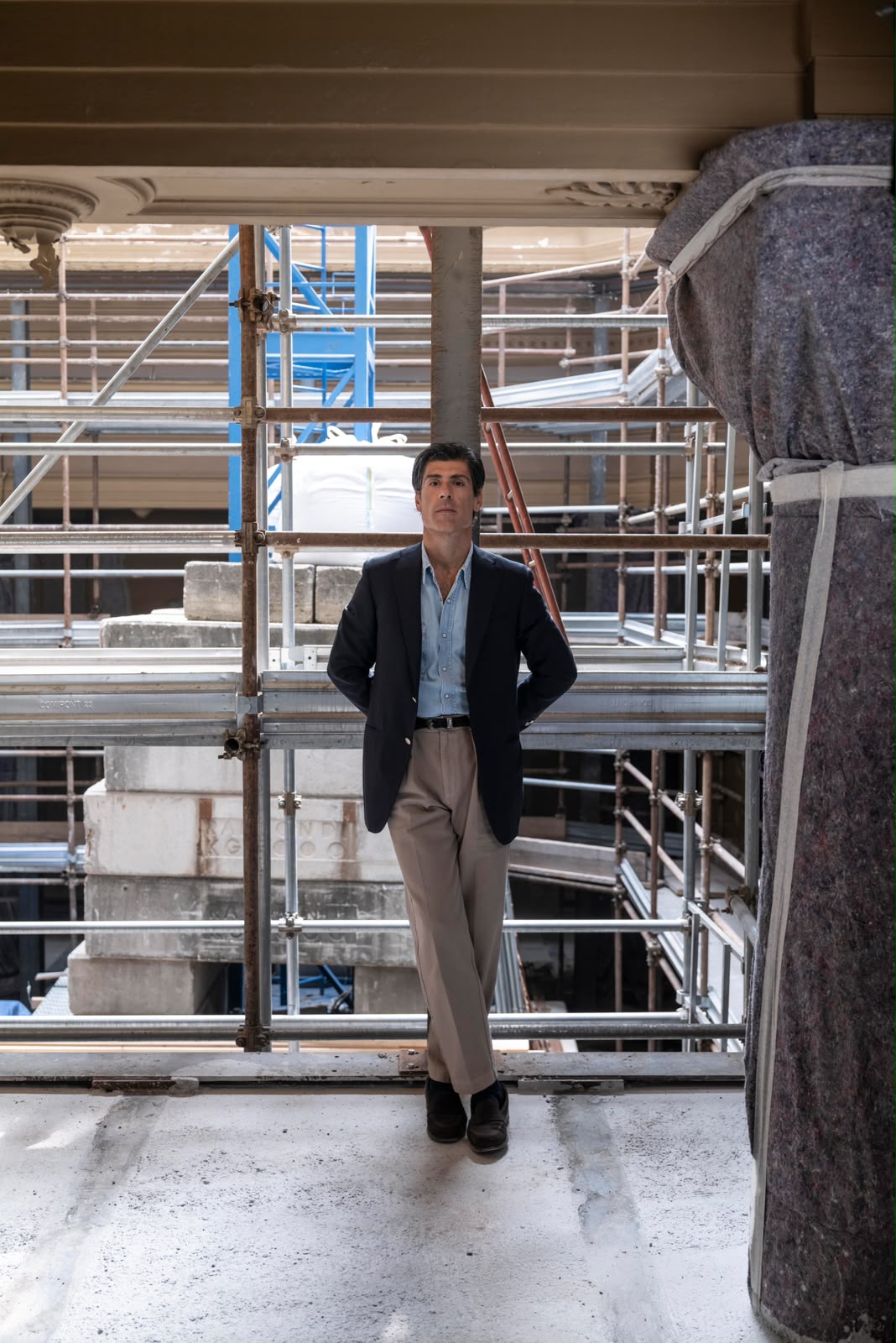
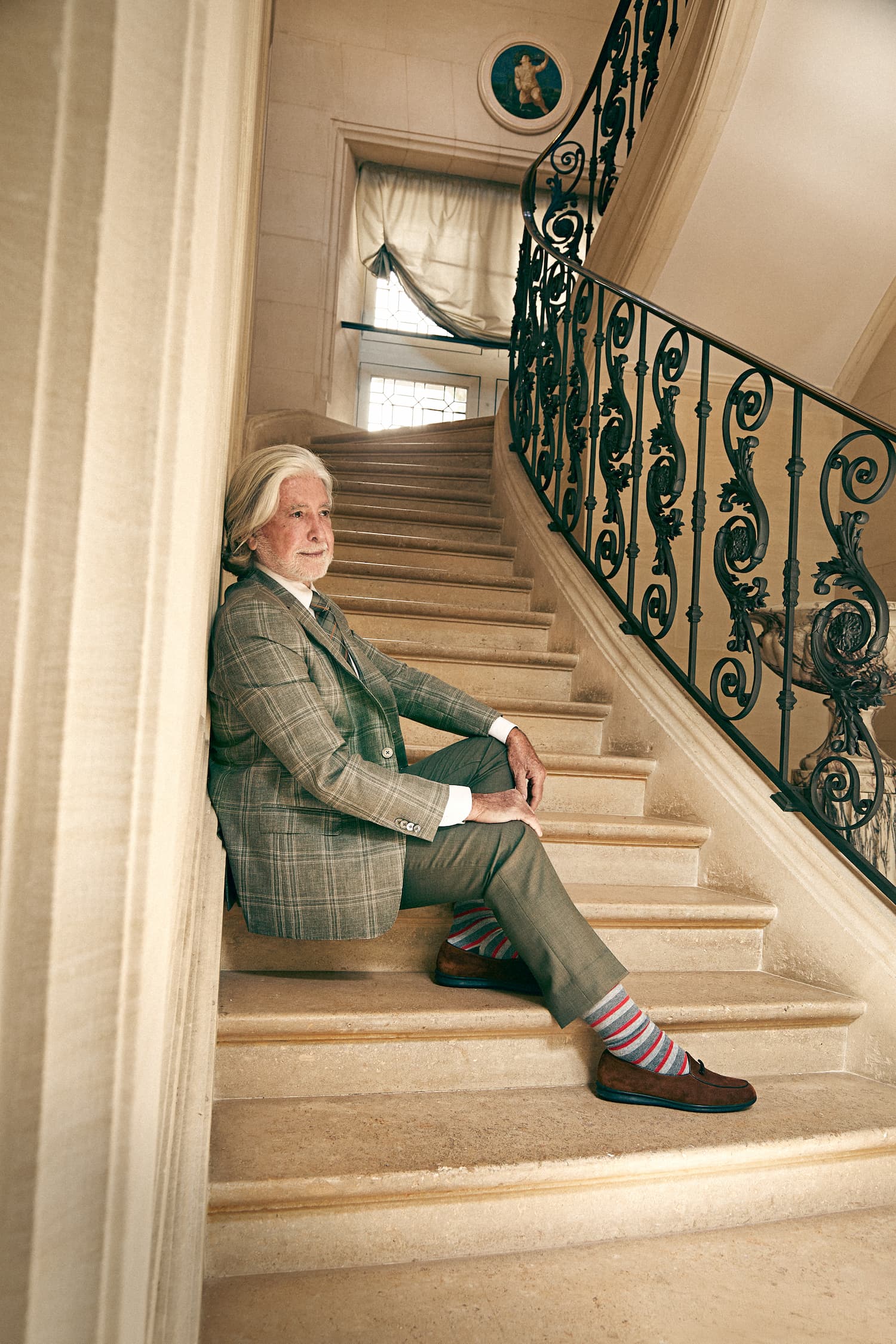
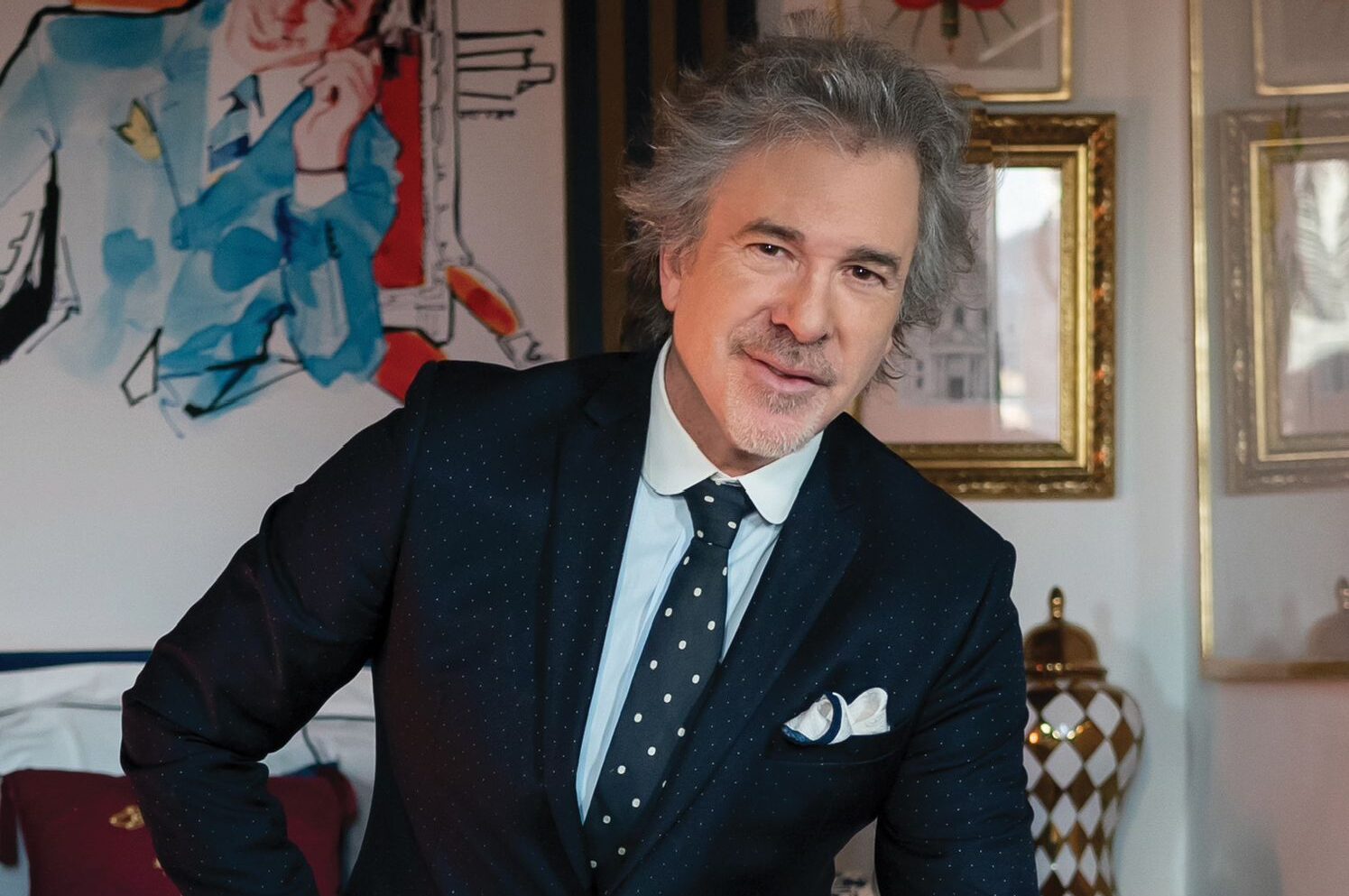
There are certain people who cannot be confined to a single discipline. To describe Andrés Alsina Aristegui simply as an interior decorator—or even a writer—feels incomplete. What emerges instead is the portrait of a man immersed in culture itself: a reader, observer, philosopher, aesthete, and deeply emotional interpreter of human nature.
Conversation with him moves fluidly between literature, fashion, history, psychology, memory, architecture, and emotion. He speaks not in trends or formulas, but in reflections. There is an unusual sensitivity in the way he observes the world—as though every room, object, city, and encounter carries an emotional imprint worthy of examination.
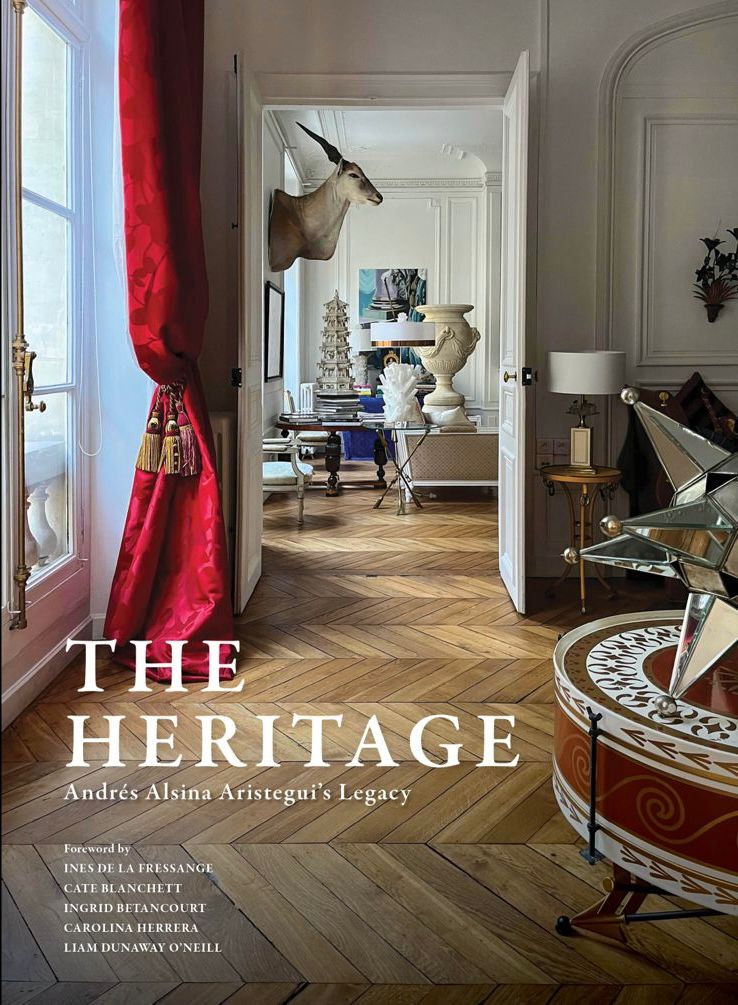
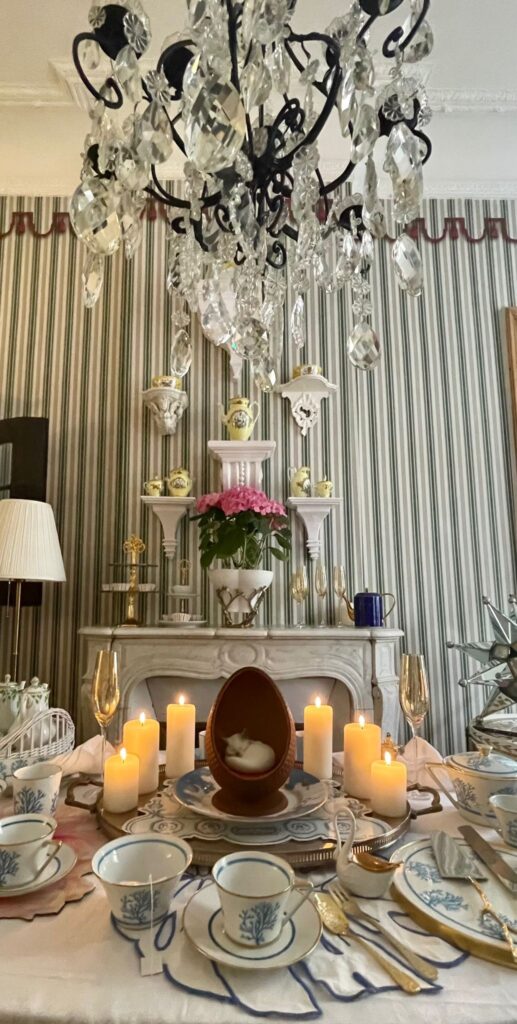
This depth is perhaps what makes his work feel so distinctive. His interiors are not merely decorative compositions, but emotional landscapes shaped by experience, curiosity, and an almost anthropological understanding of how people live, gather, dream, and remember. One senses immediately that Andrés is less interested in perfection than in atmosphere; less concerned with display than with soul.
Living between Paris and Venice, he describes the two cities almost as opposing emotional forces within his creative life.
“Paris informs me,” he says.
“Venice inspires me.”
The distinction reveals much about the duality within him. Paris offers intellectual structure, discipline, elegance, and clarity of thought. Venice, meanwhile, awakens emotion, sensuality, nostalgia, and imagination.
He speaks of Venice not sentimentally, but with striking honesty—as though recognising something deeply human within its fading grandeur.
“Venice is a dramatic city which echoes humans in that both are dying.”
There is melancholy in the statement, but also truth. Andrés understands beauty not as permanence, but as fragility. Perhaps this is why his work feels so emotionally charged: it is rooted in the awareness that all beautiful things—cities, people, moments—are temporary.
This sensitivity extends far beyond interiors. Fashion, literature, philosophy, and cultural history all seem to inform the way he sees the world. He absorbs constantly, questions constantly, evolves constantly. There is a sense that he does not merely create beauty, but studies the human desire for beauty itself—what it reveals about identity, longing, memory, and civilisation.
During our conversation, it became increasingly clear that The Héritage Venezia is not simply a project or aesthetic platform, but something profoundly personal.
The Héritage Venezia is, of course, Andrés’s shop — but to describe it simply as a boutique would miss its true spirit entirely. It is, rather, an extension of his imagination: part cabinet of curiosities, part cultural salon, part personal universe shaped by memory, travel, artistry and emotion. Every object appears chosen not merely for beauty, but for the story, atmosphere and sensibility it carries within it. In many ways, the space reflects Andrés himself — layered, cultivated, deeply romantic and impossible to reduce to a single definition. To step inside is not simply to shop, but to enter a world governed by taste, conversation and the poetry of living well.
We begin by believing Andrés Alsina Aristegui to be many things: decorator, aesthete, writer, journalist, former model — a man shaped by elegance, culture and artistic instinct. But gradually those titles begin to fall away, because they are too narrow for the world he inhabits. He is, in many ways, a rare species: a true bohemian in the grand European sense, guided by beauty, intellect, passion and an immense generosity of spirit. There is something increasingly uncommon in him — a devotion to conversation, memory, atmosphere and the rituals of cultural life that feels almost from another century. To encounter Andrés is to understand that style, at its highest form, is about the depth and poetry with which one chooses to live.