Gerardo Gondi: Tradition, Innovation and the Living Legacy of Florence
There are certain Florentine families whose names do not merely belong to history, but to the continuing rhythm of the city itself. The Gondi family is one of them.
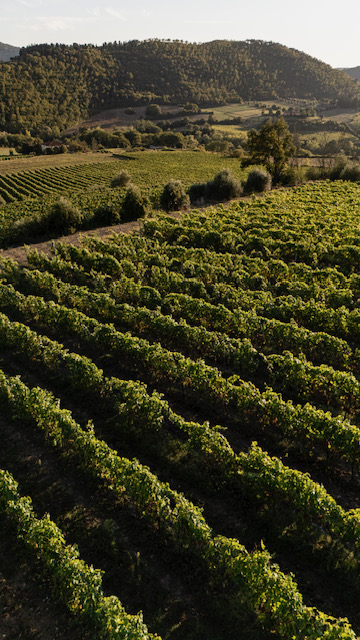
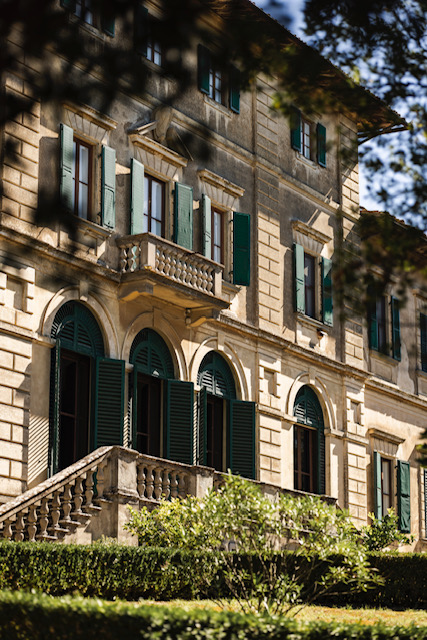
For centuries, the Gondis have remained deeply woven into the cultural, agricultural, and architectural life of Tuscany — their legacy extending from the historic Palazzo Gondi in Florence to the vineyards of Chianti Rufina and the olive groves of Volmiano. Yet speaking with Gerardo Gondi, one quickly understands that the family’s longevity has never depended on nostalgia alone. What emerges instead is a philosophy of active stewardship: a life lived between city and countryside, between preservation and reinvention, between memory and forward movement.
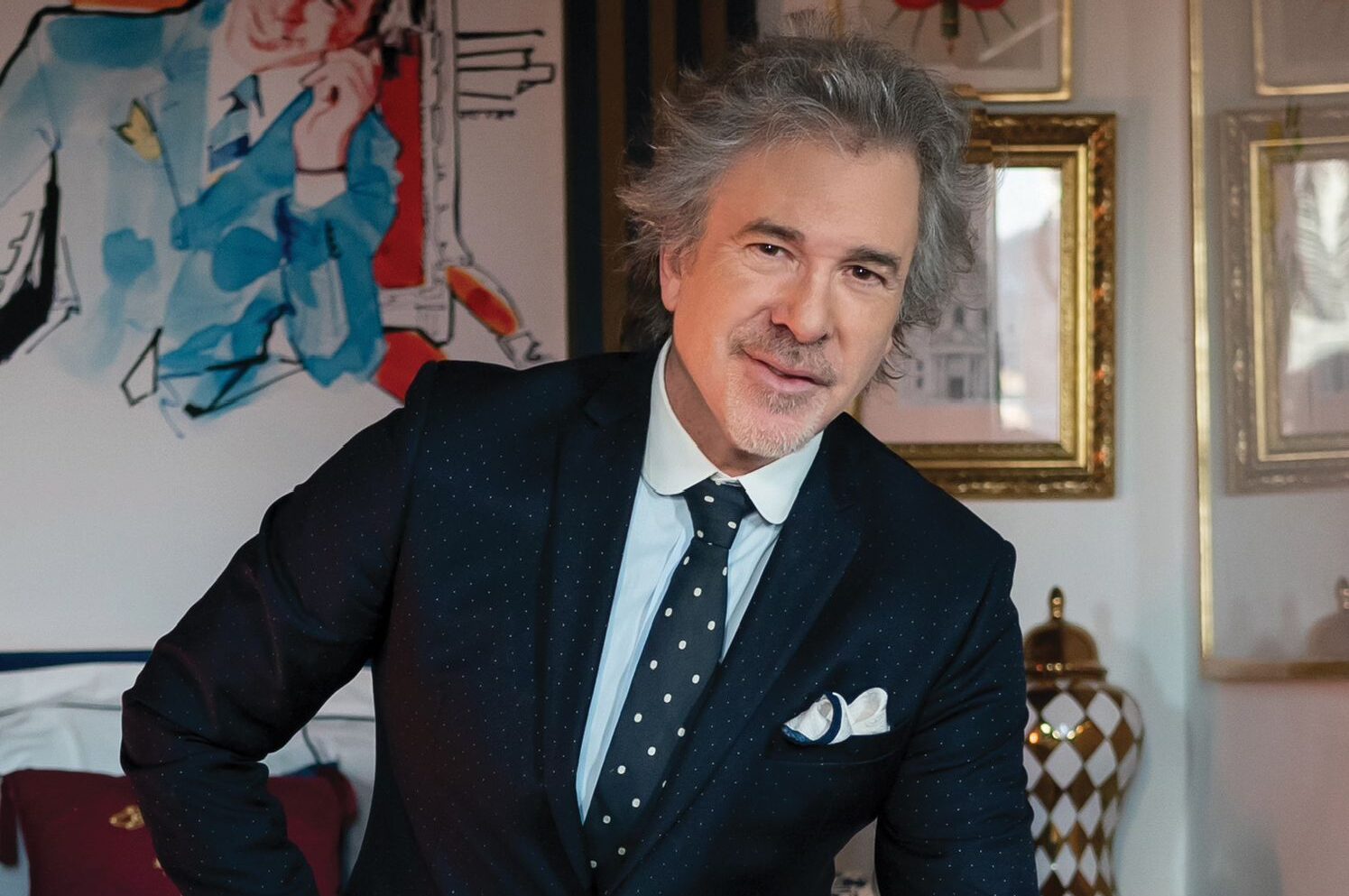
Raised with a profound awareness of his family history from an early age, Gerardo speaks not of heritage as ornament, but as responsibility. Tradition, for him, is not static. It is something that must constantly be maintained, protected, questioned, and renewed.
“It has always been hard work maintaining the tradition and history,” he explains. “That is what has allowed the family to preserve both the heritage and its sense of purpose.”
That sense of purpose continues to shape every aspect of the Gondi world today — from wine and olive oil production to hospitality.
As President of the Chianti Rufina Consortium, Gerardo speaks passionately about the distinctive identity of the region, which he believes is still too often overshadowed by broader perceptions of Tuscany. The uniqueness of Chianti Rufina, he explains, lies first in its geography: the altitude, the cooling influences, the terrain, and the relationship between land and climate that create wines of remarkable elegance and longevity.
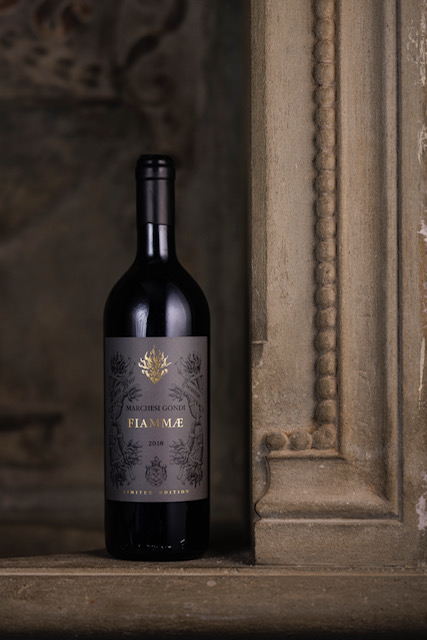
Among the wines closest to him personally is Fiammae, a wine from the family estate carrying both emotional and generational significance.
Yet what is perhaps most striking is the balance the family maintains between reverence for tradition and openness to evolution. Gerardo repeatedly returns to the idea that the Gondi legacy has survived precisely because the family never relied solely on inherited prestige.
“The philosophy,” he says, “is maintaining tradition with innovation.”
Research, experimentation, and new technologies remain central to the estate’s future. For Gerardo, continuity does not mean resisting change, but understanding how to evolve without losing identity.
This adaptability appears deeply embedded within the family culture itself. One particularly revealing story emerged during our conversation about the olive harvest crisis of 2019, when flies devastated much of the estate’s olive production. Rather than responding with discouragement, Gerardo’s mother transformed the difficult period into a creative opportunity by writing a cookbook.
It is, perhaps, a perfect metaphor for the Gondi mentality: resilience expressed through culture, beauty, and creation rather than retreat.
This ability to turn challenge into opportunity is very much a Gondi trait. The family is always evolving.
That evolution has also shaped the family’s relationship with Florence itself. One of the reasons the Gondi legacy remains so alive across generations, Gerardo believes, is because the family never withdrew from civic and cultural life.
“The Gondis survived because they remained active participants, not symbolic figures.”
It is a quietly significant observation — one that perhaps explains why the family continues to feel relevant within contemporary Florence rather than simply historical. Their life has always existed between public and private worlds: the city and the countryside, Palazzo and estate, culture and agriculture.
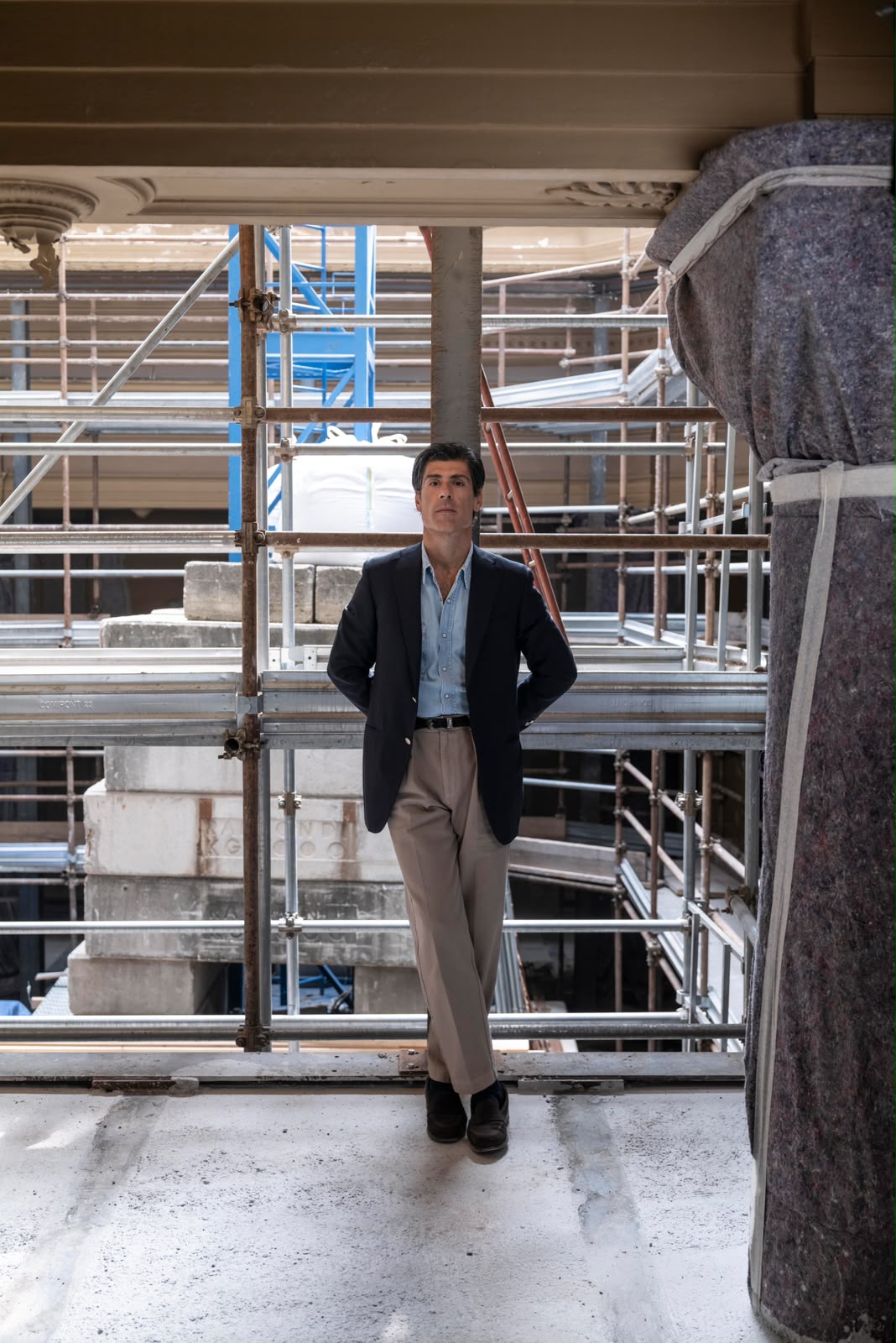
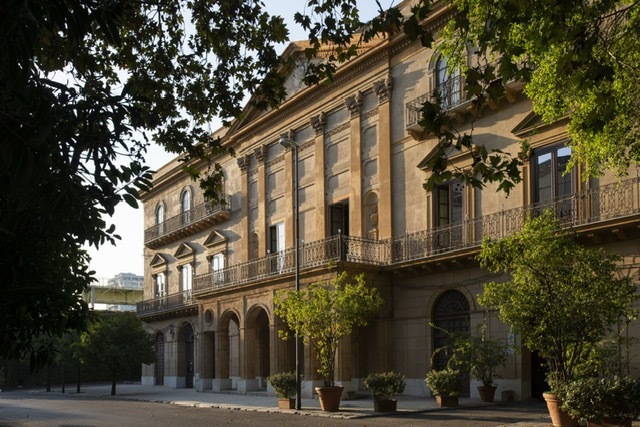
This connection was further strengthened through the extensive restoration of Palazzo Gondi undertaken by Gerardo’s parents between 2005 and 2011, a project that carefully revived the historic residence while preserving its soul for future generations.
Despite the many challenges facing Florence today — overtourism, changing economies, and questions surrounding cultural preservation — Gerardo remains optimistic about the future of the city. His perspective is neither sentimental nor pessimistic, but grounded in the belief that Florence has always evolved through cycles of reinvention.
That balance between rootedness and openness also shapes the way he approaches family life today. Gerardo and his wife are raising their two daughters, Fiammetta and Vittoria, within an atmosphere deeply connected to family history and Tuscan life. Yet, much like his own parents before him, he intends to allow them the freedom to choose their own paths.
As he recalls his own childhood memories — Christmases spent at Palazzo Gondi with his great aunt, summers on the estates with his grandparents, learning to drive motorcycles and cars in the countryside — one senses that heritage, in the Gondi world, is transmitted less through instruction than through atmosphere, ritual, and lived experience.
When Gerardo formally joined the family business in 2014, he arrived not only with a clear vision for the future, but also with an awareness that innovation must remain aligned with a certain rhythm of life, one tied to land, seasonality, and continuity. Alongside learning directly from his family about the estates and their agricultural traditions, he also became a sommelier and wine educator, further deepening his understanding of wine as both culture and craft.
Ultimately, what defines the Gondi legacy is not merely aristocratic history, but endurance through participation. The family has survived because it continued to engage — with the land, with Florence, with craftsmanship, with change itself.
And perhaps that is the true secret of old European families who remain culturally alive today: not simply that they inherited history, but that they continue to live within it.