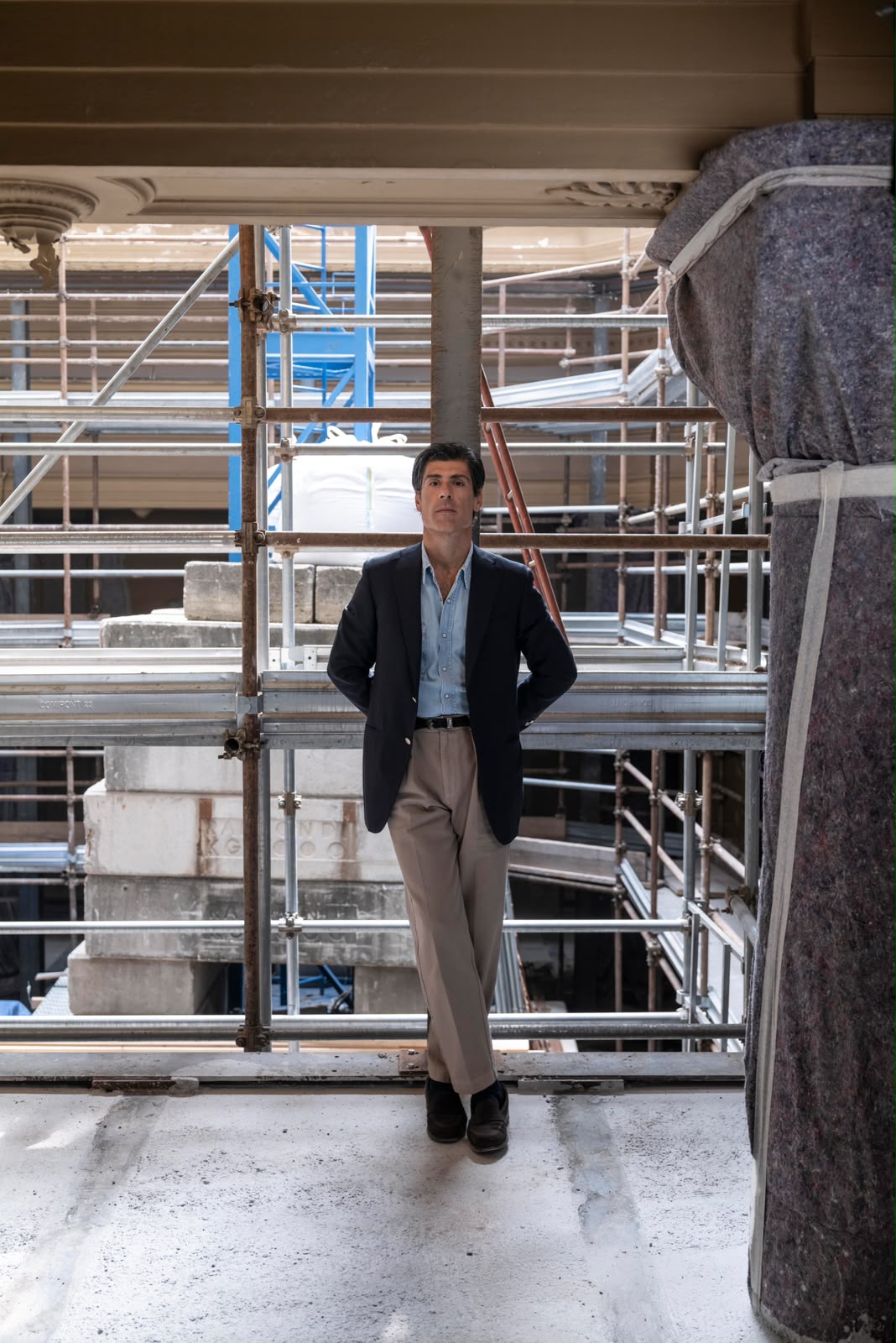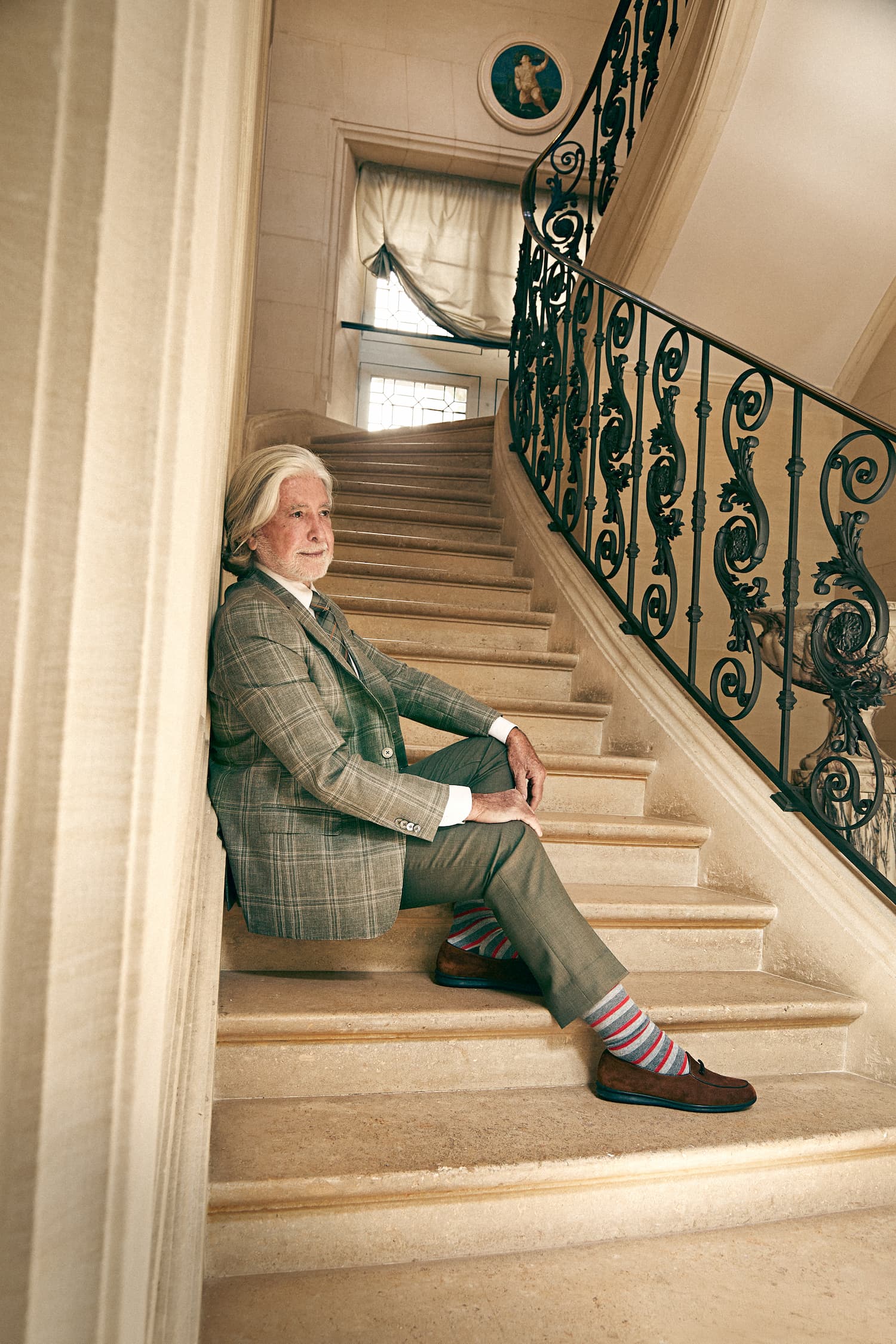
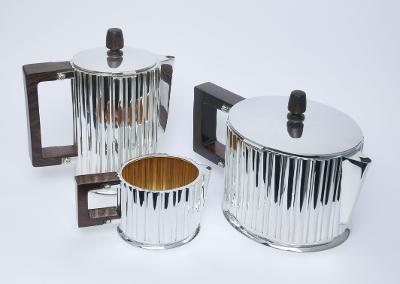
Tastemaker Interview – Jean Paul, Creative Director of Jarosinski & Vaugoin
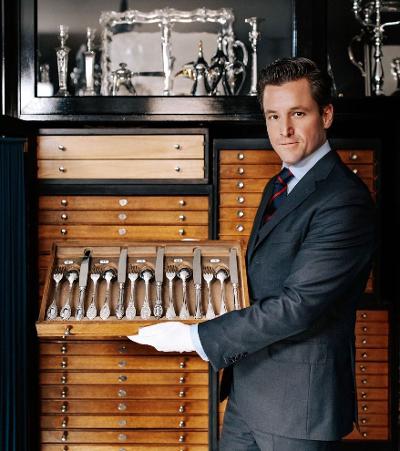
Jarosinski & Vaugoin has been shaping silver since 1847. What does it mean to you, personally, to carry this legacy today?
Jean Paul did not grow up surrounded by silver, but by law. His mother was a judge, his stepfather a notary, his brother read law, and Jean Paul himself completed military service before studying finance and economics.
In 2003, following the death of his father, he was faced with a defining choice: whether to continue the family firm or allow it to end. “It was either the beginning or the end for the silverware company,” he explains. At just 23 years old, Jean Paul took over the Maison — and never looked back.
With such a heritage brand, he speaks candidly about the weight of responsibility. “There is always the danger that you rely too much on past legacy,” he says. For him, every object produced must live up to the Maison’s historic laurels — not by imitation, but through an uncompromising standard of service, craftsmanship, and relevance today.
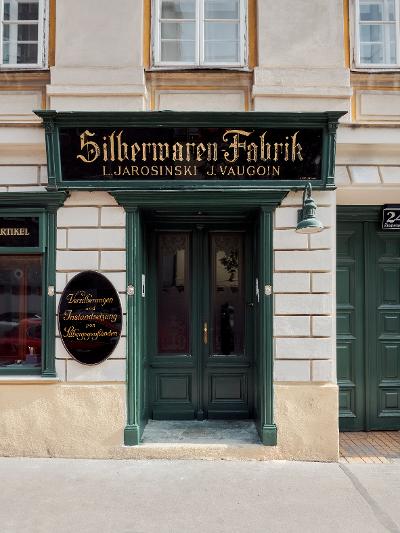
When his family arrived in Vienna from Pest, there were over 300 silversmiths in the city. Today, only one remains: Jarosinski & Vaugoin. The Maison now stands as a sixth-generation Viennese family legacy — and its sole survivor.
When you walk into the atelier each morning, do you feel most connected to the past, the present, or the future?
In the mornings, Jean Paul admits his thoughts are firmly in the present — focused on problems, decisions, and challenges ahead. But by late afternoon, once solutions begin to take shape, his attention shifts.
It is then that he allows himself to absorb the atmosphere of the workshops and atelier — the smell of wood, the presence of silver, the quiet rhythm of craft. “It is here,” he says, “that I dream of where I can take the brand further.”
Is there a particular object you’ve created that feels especially close to your heart?
One commission stands out above all others: a silver bubble maker.
Jean Paul was deeply moved by its simplicity and childlike innocence. For him, it represents something quietly profound — a reminder that there is good in mankind. It is not ostentatious, nor a status symbol, but rather a poetic object rooted in purity, joy, and optimism.
Your atelier has served courts, institutions, and private collectors. What distinguishes a ceremonial commission from a private one?
The first distinction, Jean Paul explains, is time. Ceremonial commissions typically unfold over a much longer period and come with greater pressure. Institutions, palaces, and offices must justify every detail, every decision.
Private commissions, by contrast, allow for a more personal rhythm. A relationship develops — built on trust, understanding, and dialogue — which almost always results in pieces that are deeply meaningful.
In both cases, however, the Maison’s goal remains the same: to give the utmost in perfection.
What is the most unusual or challenging piece you’ve ever been asked to create?
Some of the most challenging commissions, Jean Paul notes, have come from collaborations with artists. “What is easy to draw and envisage can sometimes be very difficult to execute,” he says.
Yet this is where Jarosinski & Vaugoin thrives. The Maison — and its craftsmen — always rise to the occasion.
How do you introduce new generations to the poetry of silver?
Instagram has become one of the Maison’s most important platforms. Jean Paul notes a growing interest among younger generations, many of whom are drawn to the art of living with silver rather than seeing it as something untouchable or intimidating.
The goal is simple: to remove the fear of using silver and re-embed it into the joys of everyday life.
Outside of silver, what inspires your aesthetic — art, architecture, travel, music?
Art, particularly painting, plays a significant role in Jean Paul’s creative world. He is deeply inspired by architecture — especially symmetry — and by travel, food, and cultural observation.
He finds endless fascination in how different cultures approach etiquette, dining, and table accessories, and how these rituals shape the experience of hospitality.
What does a perfect evening look like to you?
At the end of the day, Jean Paul says he consciously sets his sorrows aside. A perfect evening is defined by one word: limitless.
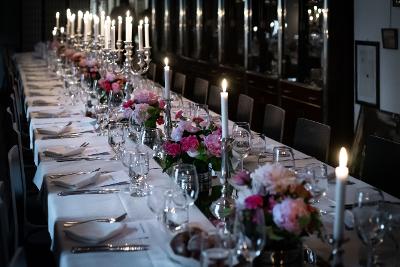
There are no limits to how many Champagne bottles may be opened. Friends are free to smoke. As a host, he is always present — attentive, engaged, generous.
Abundance of food and care form the foundation of these evenings, underpinned by generosity of spirit and an attention to detail that feels both instinctive and heartfelt.
What is your vision for Jarosinski & Vaugoin? What would you like future generations to remember about your stewardship of the Maison?
Jean Paul is clear in his ambition: to welcome more clients, to make Jarosinski & Vaugoin a true household name, and to continue cultivating collaborations — with both emerging creatives and established institutions alike.
Conclusion
Jean Paul speaks about silver not as an object, but as a living language — one that carries memory, emotion, and human connection. His stewardship of Jarosinski & Vaugoin is marked not by nostalgia, but by momentum: an enthusiasm grounded in respect for the past and an unwavering belief in what the future can hold.
Under his leadership, the Maison does not simply preserve its legacy — it extends it, quietly and confidently, into contemporary life. If silver is often described as reflective, then Jean Paul’s vision ensures it continues to reflect something enduring: generosity, craftsmanship, and the limitless beauty of living well.
With Jean Paul at the helm, the future of Jarosinski & Vaugoin will continue to shine — every bit as brightly as its past.